Bluebirds of North Texas
Bluebirds of North Texas: A Keller & Fort Worth Treasure

Few birds capture the hearts of North Texans quite like the bluebird. With their brilliant color, gentle disposition, and close ties to conservation success stories, bluebirds are a symbol of hope—and here in Fort Worth, they hold a special honor as the official bird of the city.
For gardeners and nature lovers in Keller and throughout Tarrant County, bluebirds are both a joy to observe and a rewarding species to support.
Bluebirds in North Texas
North Texas is home primarily to the Eastern Bluebird (Sialia sialis), the species most people recognize with its vivid blue back and rusty-red chest. They thrive in open spaces with scattered trees—exactly the kind of habitat found in pastures, golf courses, parks, cemeteries, and thoughtfully designed gardens.
Less common but occasionally seen during migration or winter:
Mountain Bluebird (Sialia currucoides) – pale sky-blue and more likely west of us, but rare sightings do occur.
Western Bluebird (Sialia mexicana) – uncommon in our region and not a regular breeder here.
For Fort Worth and Keller gardeners, the Eastern Bluebird is the star of the show.
The Jim Marshall Bluebird Project (Fort Worth)
The Jim Marshall Bluebird Project, a volunteer-driven initiative started in 2007 to help increase the local Eastern Bluebird population by installing and monitoring nest boxes, primarily along the Trinity Trails, growing from a few boxes to hundreds across Tarrant County, providing a satisfying way for residents to support these iconic birds. After seeing bluebirds in the city while biking, Marshall, a former owner of Marshall Grain, began placing nest boxes in 2007 with help from others. What started small expanded significantly, involving many volunteers who monitor boxes, track data (submitting to Cornell's NestWatch), and nurture bluebirds. Bluebirds need cavities to nest, and Marshall's project provides these man-made homes, helping combat habitat loss and competition. Marshall's work inspires local groups like the Fort Worth Audubon Society to host events and recruit volunteers for the annual spring monitoring season.
What the project does:
Maintains and monitors hundreds of nest boxes across Tarrant County
Collects long-term data on bluebird reproduction and survival
Trains volunteers to properly monitor and maintain nest boxes
Has helped produce tens of thousands of bluebirds over the decades
This project is a powerful reminder that citizen science and local stewardship truly work.
Why Bluebirds Declined—and Why They’re Back
Bluebird populations plummeted in the mid-20th century due to:
Loss of open habitat
Removal of dead trees (natural nesting cavities)
Competition from invasive species like European starlings and house sparrows
Their comeback is one of conservation’s great success stories—thanks largely to nest box programs like the Jim Marshall Project and the efforts of home gardeners.
How to Build (or Buy) a Bluebird Nest Box
Bluebirds readily accept man-made nest boxes if they are properly designed.
Nest Box Basics:
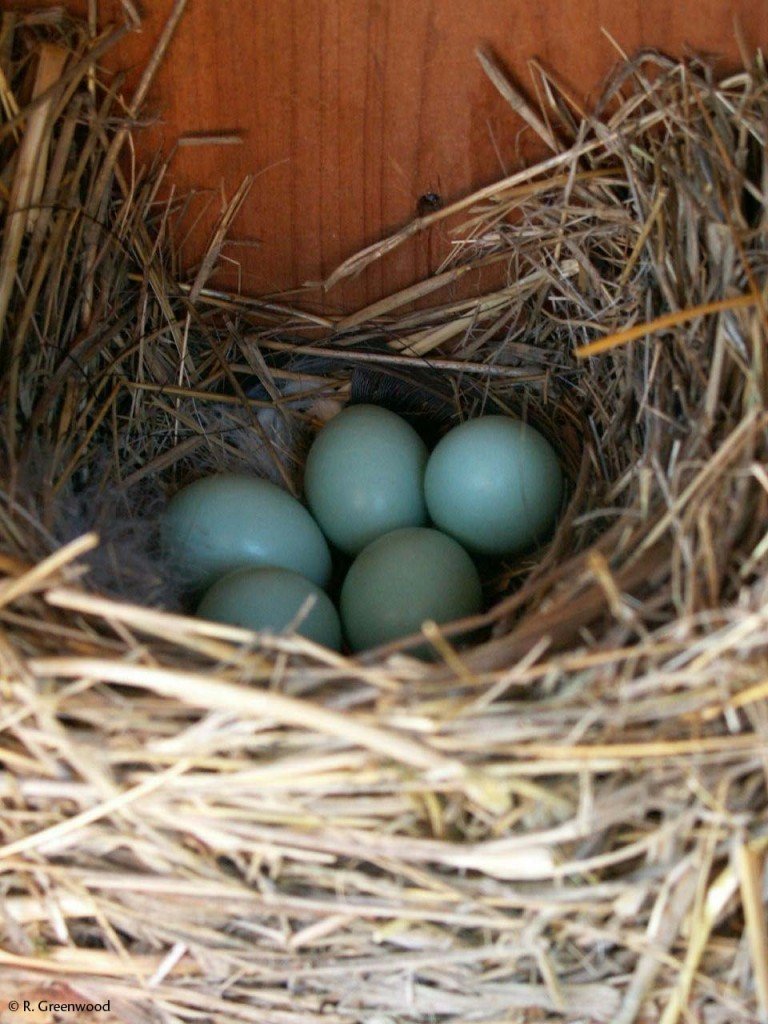
Entrance hole: 1.5 inches in diameter (critical—keeps starlings out)
Box size: Approximately 5” x 5” floor, 8–10” tall
Material: Untreated wood (cedar or pine preferred)
Ventilation: Small holes near the top
Drainage: Holes in the floor
No perch: Bluebirds don’t need one; predators do
Placement Tips:
Mount 4–6 feet high
Face away from prevailing winds (often east or southeast)
Place in open grassy areas, not dense shrubs
Avoid areas with heavy house sparrow activity
Space boxes at least 100–150 feet apart
Adding a predator guard dramatically improves success.
Bluebird-Friendly Gardening
Bluebirds are insect-eaters during breeding season and berry lovers in winter.
Plants They Love:
American beautyberry
Yaupon holly
Possumhaw holly
Eastern red cedar
Native grasses that support insects
Avoid pesticides whenever possible—bluebirds are natural pest control.
Fascinating Bluebird Facts
Bluebirds can raise 2–3 broods per season in North Texas
Both parents feed the young
Nestlings leave the box about 16–21 days after hatching
Bluebirds often stay together as family groups after fledging
Fort Worth proudly named the bluebird as its official city bird, reflecting the city’s long commitment to urban wildlife conservation
How You Can Help
Install and monitor a nest box
Volunteer with the Jim Marshall Bluebird Project
Maintain open, native landscapes
Educate others about invasive species control
Every successful nest matters.